Do I need an ad film?
An ad film pays off when a product takes too long to explain in words, when a process or interface needs to be shown, or when you need attention in the first second of an ad slot. Cost is driven less by length than by whether live filming is required and how many formats are needed. For software, screens and abstract processes, animation is cheaper and more flexible than filming. Success is measured by completion rate and the action that follows, not view count.
- If you must show a process, video wins
- Cost is driven by production type, not length
- Animation beats filming for software and UI
- Measure completion and action, not views
What is an ad film for?
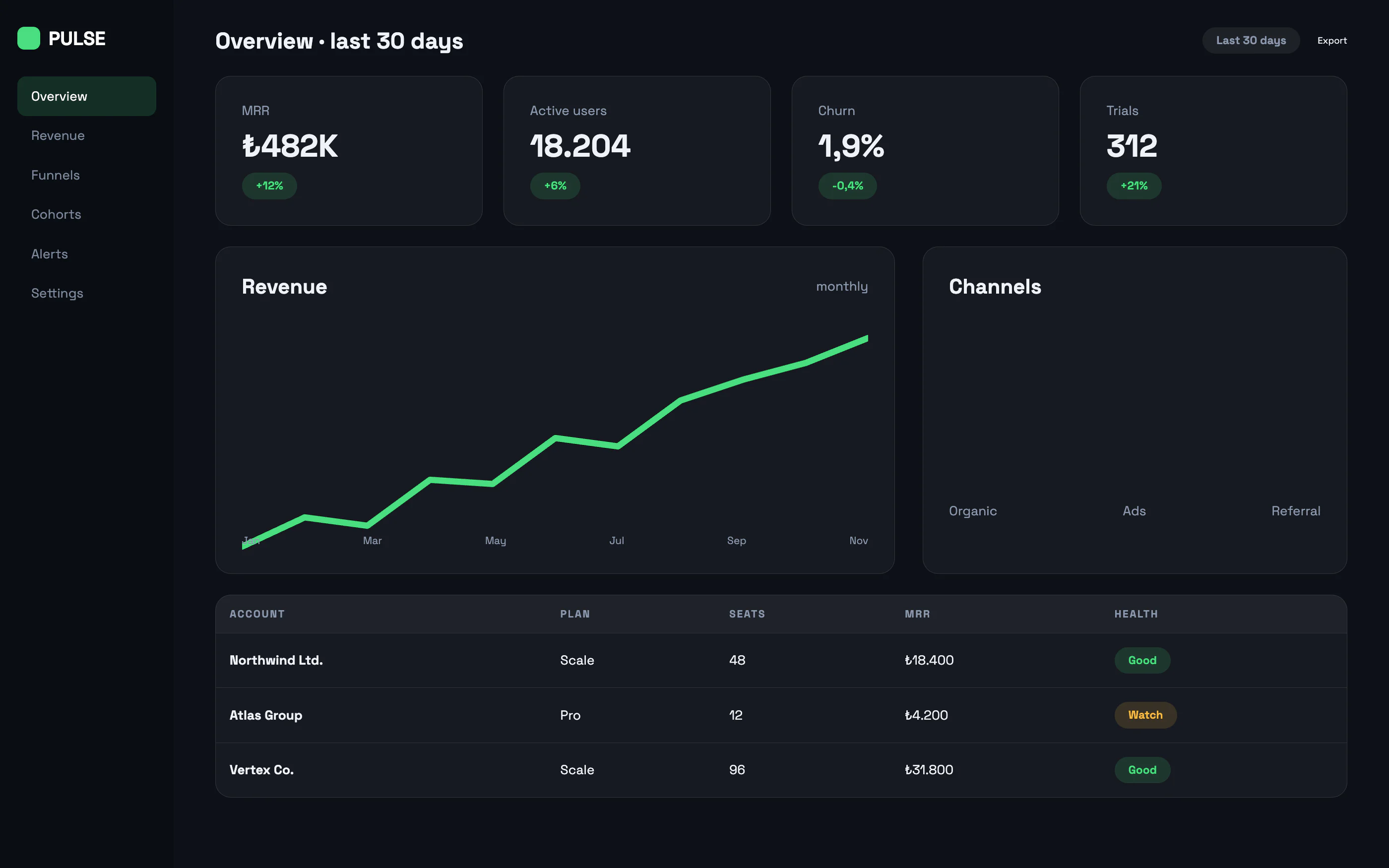
An ad film's job isn't to look good — it's to explain quickly what takes too long in words. The sentence "you check in with a QR code, the location is verified and overtime is calculated automatically" gets lost while being read; the same thing is instantly clear in a ten-second screen animation.
So video helps most in three cases: when a process must be explained, when an interface must be shown, or when you need attention in the first second of an ad slot.
Who is it worth it for?
For low-priced products understood from a single photograph, video is often an unnecessary expense — a good product photo does more. For software, services, manufacturing capability and multi-step processes, video does what text cannot.
A simple test: how many sentences does it take to explain your product to a stranger? Past three, video probably pays.
What drives the cost?
The common misconception is that cost scales with length. The real drivers are:
| Factor | Effect |
|---|---|
| Live filming | The biggest line: location, crew, cast, lighting |
| Number of formats | 16:9, 9:16 and square each need their own edit |
| Number of languages | Voice-over and subtitles multiply |
| Animation density | Screen animation is more predictable than live action |
| Length | Not decisive on its own; it drives cost together with scene count and complexity |
How long should it be?
It depends on where it runs, and deriving several lengths from one production is the most efficient route:
- 6–10s: Social attention, pre-roll before the skip button.
- 15–30s: Standard ad slot; enough to land one idea fully.
- 60–90s: Website intro, sales meeting, trade-show screen.
Editing the long version first and deriving the short cuts from it is cheaper and more consistent than shooting each separately.
Animation or live action?
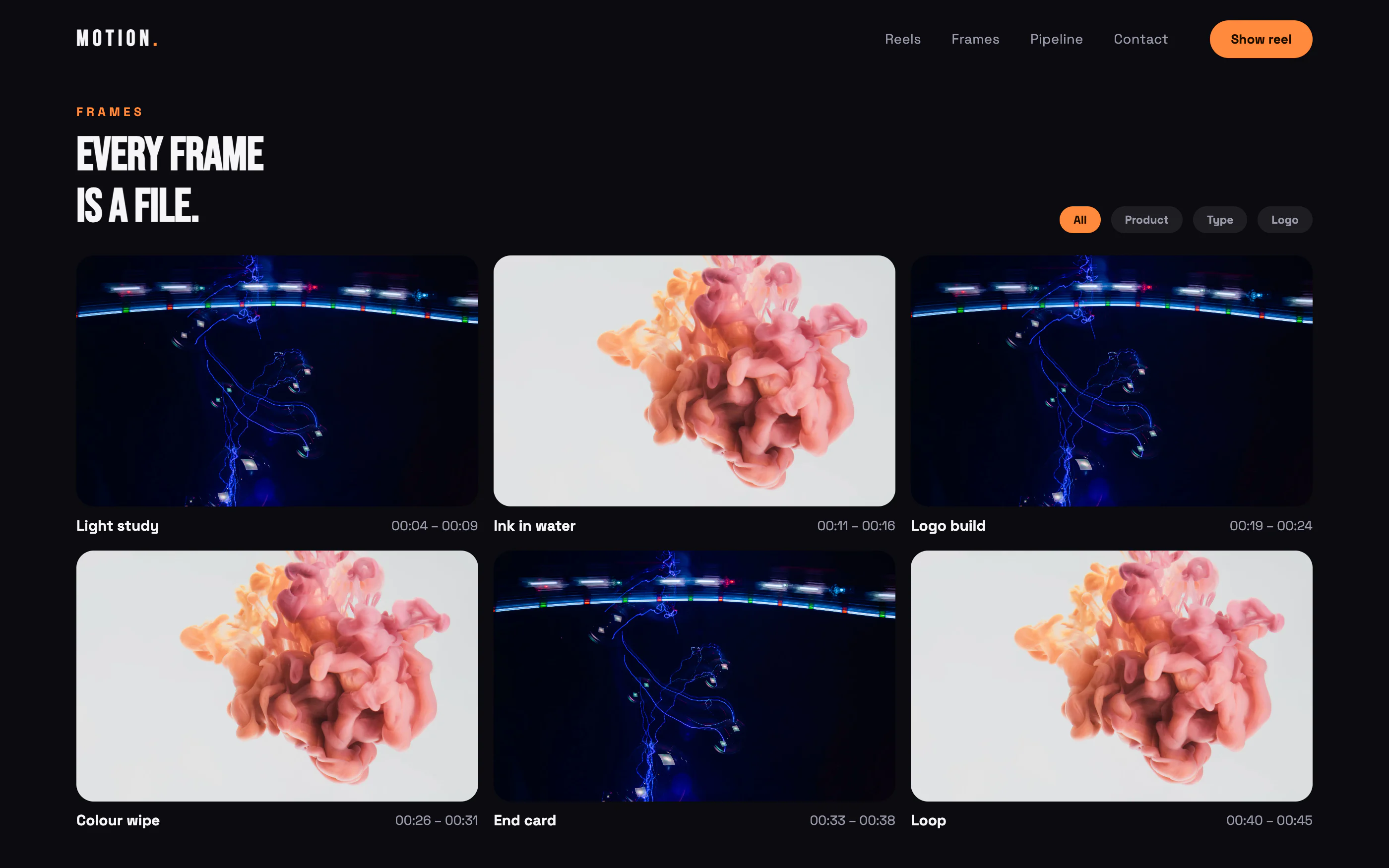
For software, screens, data and abstract processes, animation is usually the right answer: no filming, updatable, and the scene can be re-rendered when the product changes. When people, places, food or physical products are involved, live action is more convincing.
We produce our own product films on a code-based animation pipeline, which means that when a product interface changes we update the scene and re-render rather than reshooting.
How is success measured?
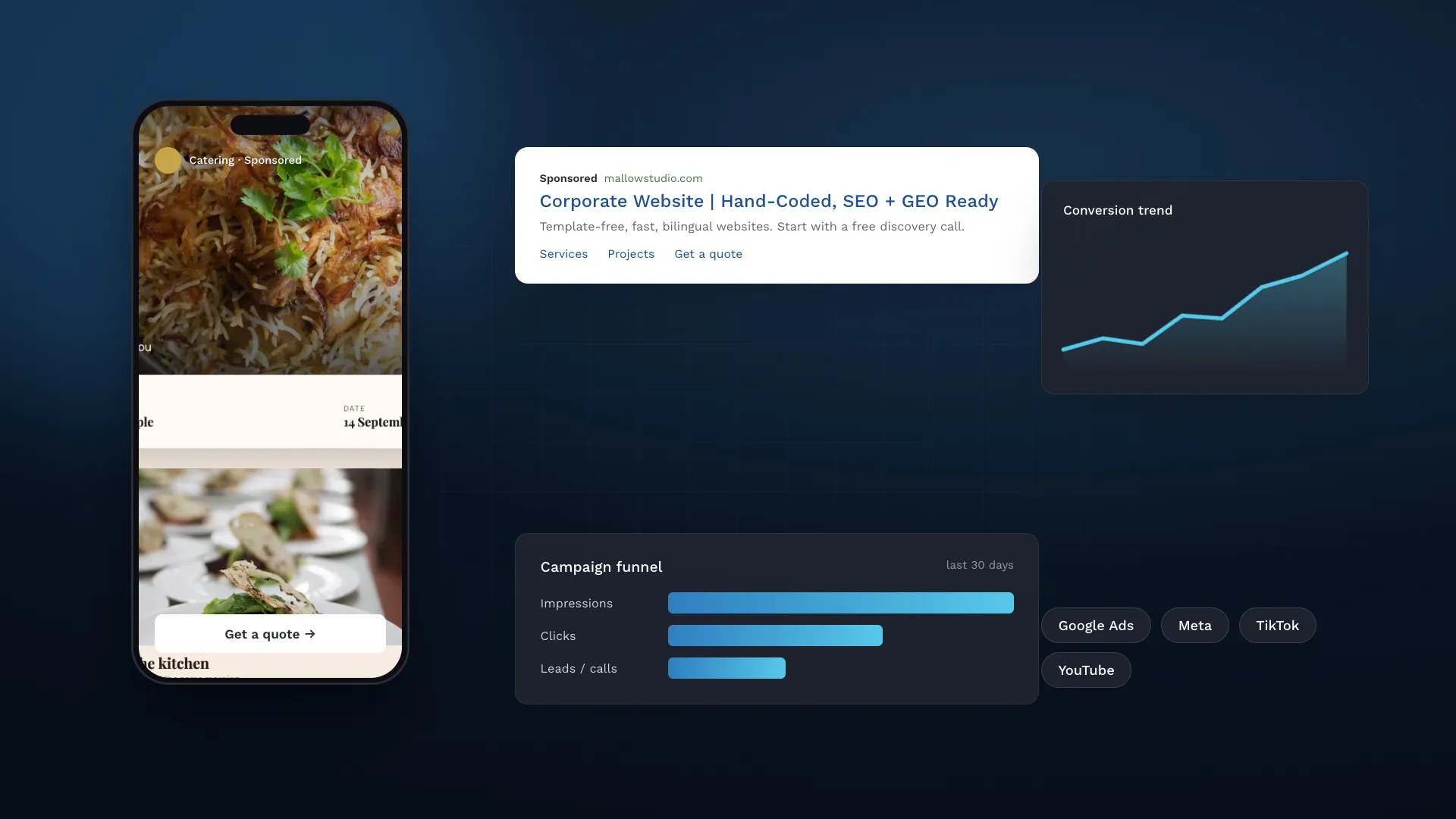
View count is the most misleading metric. Look at completion rate (the share who watch to the end), separately at the second-by-second retention curve (where they drop off), the action taken by people who watched (site visit, form, purchase), and if ads are running, the cost per click with and without video.
A big drop in the first three seconds usually doesn't mean the film is bad — it means the opening is wrong, which is a fixable problem on its own.
A good ad film doesn't make the product bigger; it explains it properly. If there's nothing to say, video won't help either.
Frequently asked questions
How long does an ad film take to produce?
For animation-led work, a few weeks from script approval to delivery; live filming takes longer because of location and crew planning. Script and approval rounds affect the timeline most.
Can we get several formats from one film?
Yes, and we recommend it. If horizontal, vertical and square versions are planned from the start, they come out of the same production; asking later means re-editing.
Is voice-over essential?
No. A large share of social video is watched with sound off, so subtitles and on-screen text are often more critical than voice-over. Designing for both is safest.
If our product changes, is the film wasted?
With live action, largely yes. With animation the scene file is updated and re-rendered, which is far cheaper than remaking the film.